

Quick Summary
Choose modern home decor that lasts by favouring clean lines, simple shapes and neutral palettes, and by checking the weakest part of each piece before you buy. Solid materials that can be refinished, sturdy joinery, and easily replaced cushions and hardware all extend a piece's life. Pieces you can repair and maintain are worth the investment.
- Choose simple shapes and neutral palettes, since they suit almost any room longer.
- Judge a piece by its weakest component, usually the carcass, joints or cushion.
- Solid wood can be sanded and refinished, while veneer chips cannot be repaired.
- Divide the price by realistic years of use to compare cost per year.
- Repair small wobbles and chips early, and check wall hardware once or twice a year.
Table of Contents
- Why Most Modern Home Decor Doesn't Last
- Timeless Home Decor: Design Choices That Outlast Trends
- Long-Lasting Furniture Materials and How to Judge Them
- How to Create a Cosy Modern Home Without Clutter
- Decorating Without Following Trends, and Caring for Your Pieces
- Building a Lasting Home One Considered Piece at a Time
- Frequently Asked Questions
How to Choose Modern Home Decor That Actually Lasts
Last Updated: November 8, 2026
Why Most Modern Home Decor Doesn't Last
Most modern home decor is built to look good for a season, not a decade.
You buy a sleek side table or a trendy wall piece, love it for six months, then notice the finish chipping or the joints wobbling. That is why many shoppers now ask: will this still look right in five years?
Here is what usually goes wrong:
- Trend-driven colours date fast, especially bold shades or high-gloss finishes.
- Thin materials like veneer or pressed board don't handle daily knocks well.
- Loud, busy shapes look tired once the novelty fades.
The good news is that you can spot most of these problems before you pay.
Timeless Home Decor: Design Choices That Outlast Trends
Timeless decor is not about being boring. Clean forms, natural materials and calm palettes age well; novelty pieces look dated quickly. Build a base you can layer on: a few solid, quiet pieces, then personality through accessories you can swap out cheaply.
Clean Lines, Simple Shapes and Neutral Palettes
Simple shapes are the safest long-term bet. A round wall clock, a rectangular frame or a low bench with straight legs suits almost any room. Neutral palettes such as warm whites, soft greys, oak and black give you flexibility, because you can change cushions or prints without clashing.
Watch out: A piece that matches your current room perfectly can look out of place after one redecoration. Choose one or two statement pieces at most and keep the rest calm.
Modern Versus Contemporary: Which Style Ages Better
"Modern" usually refers to a specific mid-century-influenced look, while "contemporary" means whatever is current right now. Contemporary pieces track trends and date fast; modern-inspired pieces built on simple proportions hold their appeal longer.
Long-Lasting Furniture Materials and How to Judge Them
Materials decide how well a piece handles daily life, but 'solid wood' and 'natural stone' on a product page tell you very little. The useful question is how the material behaves under wear, whether it can be repaired, and how long it lasts in a busy home.
Reading a Material for Wear and Repair
Think in three columns: how the surface ages, whether damage can be reversed, and what maintenance it needs.
- Solid wood. Dents and scratches can usually be sanded out and refinished, so a solid oak or ash piece can be brought back close to new more than once. Oiled finishes can be spot-repaired; lacquered finishes are harder to blend. A well-made solid frame can serve for many years, but oiled finishes typically need periodic re-oiling.
- Veneer. A thin slice of real wood over a stable core looks convincing and resists warping, but it cannot be sanded back. Once the veneer chips at an edge, the repair is visible. Lifespan depends almost entirely on the core and the edge banding.
- Stone and stone-effect surfaces. Marble and granite resist heat and scratches but stain and etch if spills sit; sealed stone needs re-sealing periodically. Stone-effect laminates and sintered surfaces are lower maintenance but cannot be refinished.
A useful habit is to judge a piece by its weakest component, not its best.
Watch out: A high-gloss or high-polish finish shows every fingerprint and micro-scratch, so it can look tired within a year even when the underlying material is sound.
Construction Checks That Separate Durable from Trend-Led
Before you buy, run through the checks a furniture buyer would use:
- Frame and carcass. Ask what the frame is made from. Solid hardwood or a quality plywood holds screws and resists racking; particleboard and MDF are fine for flat panels but weak at joints and hinges.
- Joinery. Dovetail and mortise-and-tenon joints last; stapled and glued butt joints are the first thing to loosen. Give the piece a gentle diagonal push and listen for creaks.
- Cushions. Foam density matters more than thickness. High-resilience foam wrapped in a fibre or feather layer keeps its shape; cheap foam collapses within a couple of years. Ask whether covers are removable and whether replacement cushions are sold separately.
What 'Lasts' Means in Cost Terms
Durability is easier to judge when you convert it into cost per year. A €44.44 solid wood bench that lasts ten years works out at about €4.44 a year, while a cheaper piece replaced every two years costs more over time.
Our solid wood photo frames have a warm natural grain and stand or hang with ease, and the 7-inch size is €21.14. The solid wood living room bench at €44.44 is a simple, multi-function piece.
A Repeatable Decision Framework
In a shop or on a product page, work through these steps in order:
- Name the job. Decide what the piece must do and where it will sit, including sunlight, moisture and traffic.
- Check the weakest part. Identify the component most likely to fail, usually the carcass, the joints or the cushion, and judge that first.
- Confirm repairability. Ask whether surfaces can be refinished, covers replaced and hardware reordered.
- Estimate lifespan and cost per year. Divide the price by the realistic number of years you expect, not the number you hope for.
- Check sourcing and end of life. Responsibly sourced timber and recycled or recyclable content reduce the piece's footprint and make it easier to pass on or repair later.
If a piece passes all five, it is a lasting choice rather than a trend-led one.
The table below summarises how common furniture materials handle wear and repair, as covered above.
| Material | How it ages | Can it be repaired? |
|---|---|---|
| Solid wood | Dents and scratches sand out | Yes, can be refinished |
| Veneer | Edge chips show visibly | No, cannot be sanded back |
| Marble and granite | Stains and etches if spills sit | Needs periodic re-sealing |
| Stone-effect laminate | Low maintenance surface | No, cannot be refinished |
| Tight-weave wool and linen | Shows less pilling | Covers can be replaced if removable |
| Brass and stainless steel hardware | Can be tightened and polished | Yes, can be replaced |
How to Create a Cosy Modern Home Without Clutter
Modern does not have to mean cold. Our guide to simple ways to make a home feel more modern shows practical ideas that need no renovation.
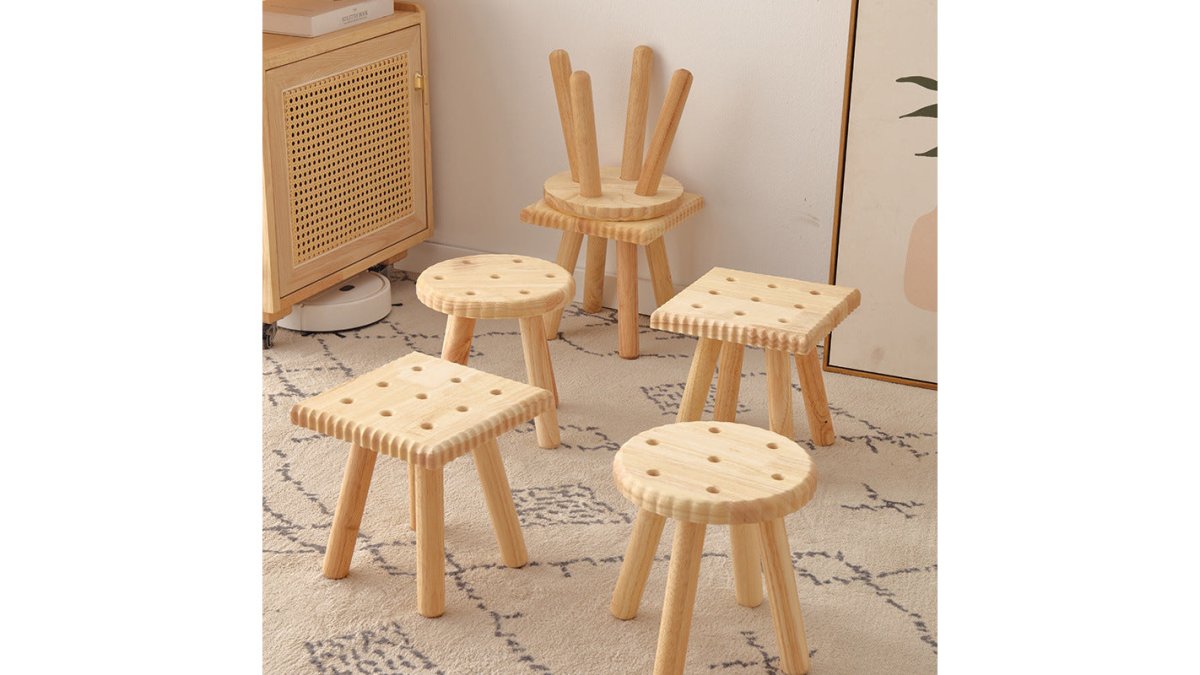
Keep these habits in mind:

- Edit before you add. Remove one item for every new one you bring in.
- Group in odd numbers. Three small objects look more intentional than two.
- Keep wall clocks simple. Learn how to balance colour, scale and placement for a modern digital wall clock as a focal piece. A silent, clean-faced clock adds function without noise.
Our luminous silent wooden wall clock, at €49.99, has a silent movement and a clean dial, so it sits comfortably in a living room or bedroom. Before you buy, see the features to consider in a digital display wall clock.
Decorating Without Following Trends, and Caring for Your Pieces
You do not need to redecorate every time a colour trend changes. Focus on pieces you genuinely like, and update smaller items like cushions, prints and frames instead of large furniture. The other half of longevity is maintenance: most decor fails not because it was badly made but because it was never looked after.
Material-Specific Care That Actually Extends Life
Generic advice like 'dust regularly' does not help much. See these modern accessories renters can use without damage for decorating freely on fragile surfaces. Match the method to the material.
- Oiled wood. Dust with a soft, dry cloth, wipe spills immediately, and re-oil once or twice a year with a suitable furniture oil. Work along the grain and buff off the excess. Avoid silicone polishes, which build up and make future refinishing difficult.
- Lacquered or painted wood. Use a barely damp cloth and a mild pH-neutral cleaner. Do not use abrasive cream cleaners or alcohol-based sprays, which dull the finish.
- Stone and stone-effect surfaces. Blot spills rather than wiping them across the surface, and use a pH-neutral stone cleaner. Re-seal natural stone periodically; test by leaving a few drops of water on the surface and seeing whether it darkens.
Watch out: Direct sunlight fades wood finishes, bleaches upholstery and warps some veneers, so rotate pieces or fit a blind on the sunniest window rather than relying on a polish to fix the damage later.
Repair Before You Replace
A lasting home is maintained, not just bought. Keeping a small repair kit on hand and dealing with small problems early can help prevent them spreading. Tighten a wobbling joint before it cracks the surrounding timber; touch in a chipped edge before moisture gets under the veneer.
For wall pieces, check mounts and hanging hardware once or twice a year. A frame that has shifted slightly is easy to re-hang; a frame that falls is not.
Buying for Longevity, Not Novelty
When a trend tempts you, ask three questions before you commit: will I still like this in five years, does it suit the rest of my home, and can it be repaired or maintained? If yes to all three, it is worth buying. If not, treat it as an accessory you can swap out cheaply rather than a permanent fixture.
That approach also reduces waste. Pieces that are repairable, made from responsibly sourced materials and designed to be passed on stay out of landfill and usually cost less per year than a cycle of cheap replacements.
Building a Lasting Home One Considered Piece at a Time
A lasting home is built slowly. Our guide to lifestyle products for modern urban living covers what suits an intentional, considered space. Choose fewer, better pieces, check how they are made, and care for them properly. Over time, that approach costs less than replacing cheap decor every year.
Ready to start? Explore our curated range and find pieces built to last. Shop the Collection at The Lilly Rose.
Frequently Asked Questions
How do you make a modern home feel timeless?
Stick to a neutral base, clean lines and natural materials such as solid wood and stone, then add colour and personality through a few easily changed accents like cushions, prints or frames. Timeless modern homes rely on proportion and restraint rather than on the latest look. Choose pieces you would still want in ten years, and let the core of the room stay quiet so that changes are simple and inexpensive. A solid wood frame or a silent wooden wall clock fits this approach well because their warm, natural finish suits almost any scheme.
Which materials are best for long-lasting home decor?
Solid wood, stone, metal and well-finished ceramics are commonly chosen for their solid build. Solid wood in particular can often be sanded and refinished. Be cautious with thin veneers and particleboard, which can chip or swell over time. When comparing pieces, check whether the description names the material and the construction, not just the look, since the finish alone says little about durability.
How can you update a room without replacing everything?
Change the smaller, replaceable elements first: textiles, lighting, wall art and accessories. Swapping a frame, adding a bench or adjusting the arrangement of a few objects can refresh a room for very little. Keep the larger pieces that are well made and neutral, and introduce new colours gradually. This approach also avoids the cost and waste of replacing furniture that still works well, which is one of the simplest ways to make a home both more personal and more sustainable.
